
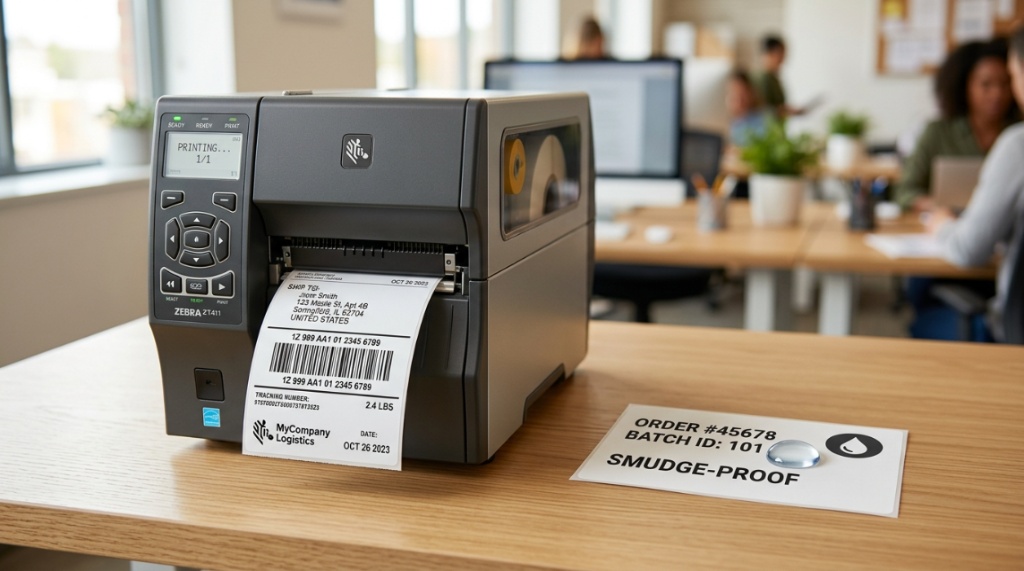
California’s unique climate and logistical demands create specific challenges for thermal labels. From the scorching Central Valley heat to the coastal humidity in San Diego and the fog of the Bay Area, standard label stock can fail. If you run a warehouse in Los Angeles, a winery in Napa, or a medical supply company in Sacramento, you need labels that resist fading, peeling, and smudging. Choosing the wrong tape leads to barcode failures, returns, and compliance issues. The key is understanding that “durable” isn’t a marketing term—it means a specific material engineered to withstand UV light, temperature swings, and moisture.
What Makes a Thermal Label “Durable”?
Durability in thermal labels comes from the combination of top-coat protection and base material. For direct thermal labels, a protective top-coat prevents the heat-sensitive layer from reacting to UV light. For thermal transfer labels, the ribbon and label stock together create a layer that resists chemicals and abrasion. In California, look for labels with a polypropylene or polyester base rather than standard paper, as these synthetic materials handle temperature fluctuations without curling.
Common Failure Points in California Environments
Labels stored in non-climate-controlled warehouses in Fresno can reach 120°F, causing adhesive bleed. Coastal fog in Monterey can cause paper labels to warp within hours. Even indoor environments like commercial kitchens in Los Angeles expose labels to steam and grease. Understanding these failure points is the first step in selecting a tape that will stay readable for its intended lifespan.
The Role of Adhesive Selection
Not all adhesives are created equal. A permanent acrylic adhesive works well for most indoor applications, but rubber-based adhesives perform better on cold surfaces like refrigerated packaging. For California’s diverse applications, consider labels with a UL-recognized adhesive that maintains bond strength from -40°F to 200°F. This ensures your labels stay put whether shipping from a frozen food facility in Vernon or an outdoor storage yard in Bakersfield.
What Types of Thermal Label Tape Work Best for Different CA Industries?
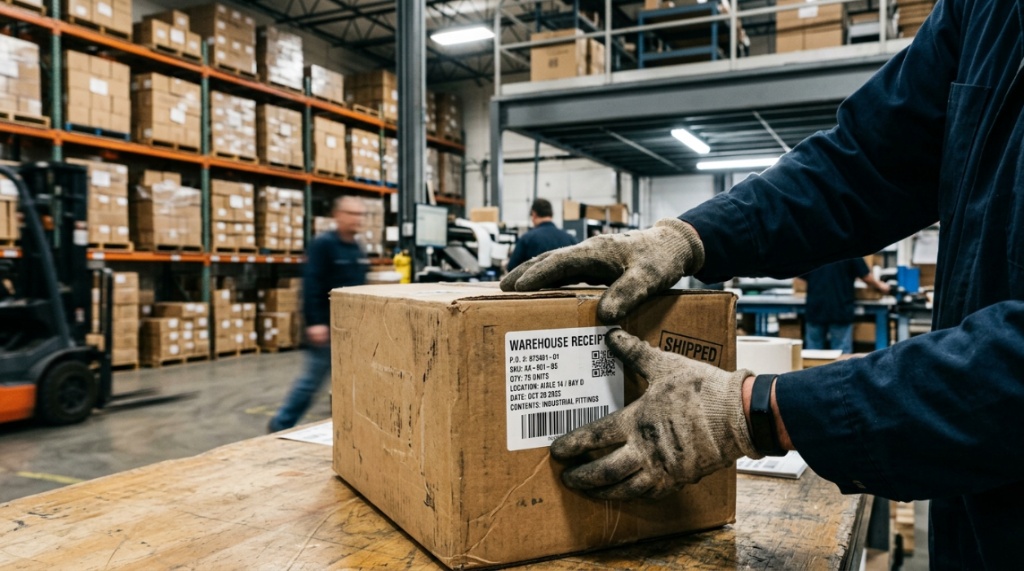
California’s economy spans agriculture, technology, healthcare, and logistics. Each sector has unique labeling requirements that demand specific material choices. For agricultural applications like produce packing houses, direct thermal labels with a moisture-resistant coating prevent smearing from condensation. In tech warehouses, static-free labels prevent dust attraction. Medical facilities require labels that can withstand isopropyl alcohol wipes. Understanding your industry’s specific needs narrows down which durable thermal label tape California suppliers offer the right solution.
Agricultural and Winery Applications
Napa Valley wineries need labels that survive cold storage at 55°F and 70% humidity without peeling. Look for labels with a matte polypropylene top-coat that resists wine spills and condensation. For produce farms in the Central Valley, labels must resist sun exposure for at least 30 days. A direct thermal label with UV top-coat rated for 6 months outdoor exposure prevents barcode fade.
Medical and Laboratory Use
California medical facilities require labels that pass ANSI/HIBC standards. Durable thermal transfer labels with a polyester base withstand autoclave sterilization temperatures up to 300°F. For lab sample tracking, choose labels with a cold-temperature adhesive that bonds to frozen vials at -80°C. These labels also resist common lab chemicals like ethanol and bleach without smudging.
Logistics and Fulfillment Centers
With California’s massive e-commerce hubs, shipping labels face extreme conditions in delivery trucks. Thermal transfer labels with a glossy top-coat resist scuffing from conveyor systems and handheld scanners. Look for labels rated for high-speed printing at 12 inches per second to keep up with warehouse throughput. The adhesive must maintain bond strength on recycled cardboard boxes, which have higher dust content than virgin board.
How Do You Test Thermal Label Durability Before Buying?
Rather than relying on marketing claims, you can perform simple field tests. Request free samples from at least two suppliers and test them in your actual operating environment. Apply labels to your typical packaging and expose them to your worst-case conditions for 24 hours. This includes sunlight, temperature extremes, and any chemicals your labels contact. Track how many labels need reapplication after a week. This low-cost verification prevents expensive reordering errors.
The “Fingernail Scrape” Test
Print a barcode on your sample label, then firmly scrape it with your fingernail ten times. If the barcode becomes unreadable by a scanner, the top-coat is insufficient for your handling conditions. Durable labels should maintain barcode readability even after moderate abrasion. This test simulates warehouse handling where boxes slide against each other on shelves.
The Water Immersion Test
Submerge your printed label in room temperature water for 30 minutes. After removal, gently rub the printed surface. Direct thermal labels without proper top-coats will smear or become completely blank. Durable labels for beverage shipping or seafood processing should remain fully legible with no adhesive failure. California companies exporting goods through the Port of Long Beach should prioritize labels that pass this test.
The UV Exposure Test
Place a printed label in direct sunlight for 48 hours. California’s intense UV can fade standard thermal paper within 4 hours. After two days, scan the barcode. If it fails, the label is unsuitable for outdoor storage. Durable labels for construction or outdoor equipment should maintain readability for at least 30 days of continuous sun exposure.
Which Materials Offer the Best Heat and UV Resistance?
For California’s climate, synthetic label materials outperform paper in every durability metric. Polyester (PET) labels resist temperatures up to 300°F and block 99% of UV light. Polypropylene (PP) labels offer similar UV resistance but are more flexible for curved surfaces. Top-coated direct thermal paper is the least durable option but works for short-term indoor applications like shipping within 24 hours. Always verify the label’s temperature rating against your specific application’s worst-case scenario.
Polyester Labels for Extreme Conditions
1.5 mil white polyester labels with a matte top-coat are the standard for outdoor California use. They resist sunlight for up to 2 years without fading. These labels work with thermal transfer printing using a resin or wax-resin ribbon for maximum durability. Expect to pay 30-50% more than paper labels, but the extended lifespan justifies the cost for asset tracking or permanent equipment labeling.
Polypropylene for Flexible Applications
2.5 mil polypropylene labels offer better flexibility than polyester, making them ideal for curved chemical containers or flexible packaging. They resist moisture, oil, and temperatures from -20°F to 200°F. For California’s agricultural sector, these labels work well on pesticide containers that sit in direct sunlight. The material is also recyclable, which helps meet California’s stringent environmental regulations.
Top-Coated Direct Thermal Paper
If you need the lowest cost option for indoor use, choose direct thermal labels with a UV-protective top-coat. These labels last approximately 6 months indoors without significant fading. For California restaurants or retail stores, this is often sufficient. However, avoid them for any application involving direct sunlight, heat above 140°F, or contact with hand sanitizer or cleaning chemicals.
Can You Use Thermal Labels for Outdoor California Applications?
Yes, but only with proper material selection. Standard direct thermal labels will fail within hours in California sunlight. For outdoor use, you must choose thermal transfer labels with a polyester base and resin ribbon. These labels can survive up to 2 years of direct sun exposure. For short-term outdoor use (under 30 days), top-coated direct thermal labels with UV protection are a budget-friendly option. Always test labels on actual equipment that sits in direct afternoon sun.
Outdoor Asset Tracking Labels
Many California construction companies label tools and equipment that stay outdoors. Use 2 mil white polyester labels with permanent acrylic adhesive. Print with a resin black ribbon for maximum UV resistance. Apply to clean, dry surfaces above 50°F for best adhesion. These labels survive dust, rain, and 100°F heat without lifting at the edges.
Outdoor Shipping Labels for Trucks
When shipping from California distribution centers, labels on pallets exposed to truck loading docks need protection. Use thermal transfer labels with a glove black ribbon applied to polyester stock. The labels should pass a 72-hour UV test before use. Many California logistics companies now specify labels that maintain readability after 14 days of outdoor exposure to cover transit delays.
Outdoor Warning and Safety Labels
California regulatory requirements for chemical storage and safety signage demand durable labels. Use 3 mil polyester with UV-resistant ink or ribbon. These labels must remain legible for the life of the equipment, often 5+ years. Consider labels with UL certification to meet California’s strict safety compliance standards. Regularly inspect labels for fading and replace them when contrast degrades.
How Does Label Adhesive Performance Change with Temperature?
Adhesive performance drops dramatically at temperature extremes. Below 40°F, many adhesives become stiff and won’t bond properly. Above 140°F, adhesives can soften and bleed through label edges. California’s temperature range from freezing mountain passes to 120°F desert heat requires careful adhesive selection. Rubber-based adhesives perform better at cold temperatures, while acrylic adhesives excel in heat. For year-round use across California, choose a hybrid adhesive rated for -40°F to 200°F.
Cold Temperature Applications
Refrigerated warehouses in Vernon or frozen food shipping from Los Angeles require cold-temperature adhesives. Look for labels specified for application at 25°F and service at -20°F. Standard labels applied to cold surfaces will likely peel off within hours. Pre-warming labels to room temperature before application improves initial bond strength.
High Temperature Applications
Labels near California’s industrial ovens, solar panels, or engine compartments face extreme heat. Choose polyester labels with silicone adhesive for service up to 500°F. These labels are more expensive but prevent safety hazards from peeling warning labels. Test adhesion after 24 hours of heat exposure to ensure the bond doesn’t degrade.
Humidity and Fluctuating Conditions
Coastal California locations like Santa Barbara or Eureka experience high humidity cycles. Paper labels absorb moisture, causing curling and adhesive failure. Synthetic labels with acrylic adhesive resist moisture absorption. Choose labels with a high initial tack that bonds within 5 seconds, preventing moisture from getting trapped under the label.
What Certification Standards Matter for Durable Thermal Labels?
California’s strict regulatory environment demands labels that meet specific industry standards. readability. Always ask suppliers for their compliance documentation before purchasing. Non-compliant labels can result in rejected shipments and fines.
GS1 Barcode Compliance
Thermal labels used for shipping must produce GS1-compliant barcodes. This means the label stock and ribbon combination must produce barcodes with no missing spots or voids. California warehouses using automated sorting systems require barcodes with a grade of B or higher on the ANSI scale. Non-compliant barcodes cause misroutes and delays.
RoHS and REACH Compliance
California’s strict chemical regulations require thermal labels to be free from phthalates, lead, and other restricted substances. Suppliers should provide a certificate of analysis showing RoHS and REACH compliance. This is especially important for labels used in medical, food, or children’s product applications. Non-compliant labels can bring fines up to $2,500 per violation per day in California.
UL and CSA Certification
For safety labels on electrical equipment, UL recognition ensures the label won’t fail under specified conditions. California building codes often require UL-listed labels for fire safety equipment. Look for labels with a UL marking that matches your specific application, such as UL969 for general labeling or UL2256 for arc-flash protection.
How to Properly Store Thermal Label Tape for Maximum Lifespan?
Improper storage ruins label performance faster than any environmental factor. Store unused labels in their original packaging, sealed away from direct sunlight and temperature extremes. Ideal storage conditions are 68-78°F with 40-60% relative humidity. Avoid storing labels in hot warehouses or cold garages. Rotate stock using a first-in, first-out system, and never use labels that have passed their manufacturer’s expiration date.
Storage Temperature Guidelines
Keep label rolls in climate-controlled storage, ideally between 65°F and 75°F. Temperatures above 80°F accelerate age-related adhesive degradation. Below 50°F, the adhesive can become brittle and fail to bond. If you must store labels in non-climate-controlled areas, bring them to room temperature for 24 hours before use to restore adhesive properties.
Humidity Control
High humidity (above 60%) causes paper labels to absorb moisture, leading to curling during printing and poor adhesion. Use silica gel desiccant packs in storage containers for coastal California locations. For synthetic labels, humidity is less critical, but still avoid storing near wash stations or steam outlets. Monitor storage conditions with a digital hygrometer.
Stacking and Roll Orientation
Never stack heavy boxes on top of label rolls, as the weight can crush cores and cause printing feed issues. Store rolls upright on end, not flat, to maintain round shape. Keep labels in a dark area, as UV exposure degrades the thermal coating even through packaging. Use opaque plastic storage bins for added protection.
While upgrading your labeling setup to keep track of assets and shipments, don’t overlook the spaces where your team recharges. If you are looking to maximize efficiency across your entire workspace, check out our guide on setting up a Functional Office Breakroom on a Small Budget to boost employee morale without breaking the bank.
Frequently Asked Questions
How long do durable thermal labels last in California sunlight?
Top-coated direct thermal labels last 1-2 months in direct California sunlight before fading. Thermal transfer labels with polyester stock and resin ribbon last 12-24 months of continuous outdoor exposure. Always test samples in your specific location because UV intensity varies significantly from San Francisco to Palm Springs.
Can I use thermal labels for shipping packages stored outdoors?
Yes, but only with thermal transfer labels using polyester or polypropylene stock and resin ribbon. Standard direct thermal labels will fail within a few hours in direct sun. For outdoor storage longer than 72 hours, invest in labels specifically rated for UV resistance, and verify they pass a 48-hour sunlight test.
What is the difference between direct thermal and thermal transfer durability?
Direct thermal labels degrade naturally from UV, heat, and chemical exposure, typically lasting 6-12 months indoors. Thermal transfer labels use a ribbon that bonds physically to the label surface, creating a layer that resists UV, chemicals, and abrasion. Thermal transfer labels often last 2-5 years or more depending on the ribbon and stock combination.
How do I know if my thermal labels will stick to recycled cardboard?
Recycled cardboard has higher dust content, which reduces adhesive bond. Request a sample and apply it to your actual cardboard. Press firmly and wait 24 hours. Then try to peel the label. If it lifts easily, you need a label with stronger initial tack or a different adhesive formulation. Many California suppliers offer “recycled board” specific labels.
Are thermal labels recyclable in California?
Synthetic labels (polyester and polypropylene) are technically recyclable but rarely accepted in curbside programs. Paper direct thermal labels can be recycled, but the thermal coating may contaminate the paper stream. Check with your local recycling facility. For California businesses aiming for zero waste, consider label-free cardboard or water-soluble adhesives.
Why do my thermal labels sometimes have poor print contrast?
Poor contrast often results from using the wrong ribbon for your label stock. For synthetic labels, use resin or wax-resin ribbons, not standard wax ribbons. Also check your printer’s darkness setting and print speed. California’s high heat can cause thermal print heads to overheat and reduce contrast. Clean your print head regularly with isopropyl alcohol.
Can I use the same thermal labels for indoor and outdoor applications?
It’s rarely advisable to use the same label for both unless you choose a top-tier thermal transfer synthetic label. An all-purpose label will either be over-engineered for indoor use (wasting money) or under-perform outdoors. Instead, buy separate indoor and outdoor labels. Indoor paper labels cost less and perform well in climate-controlled environments.
