
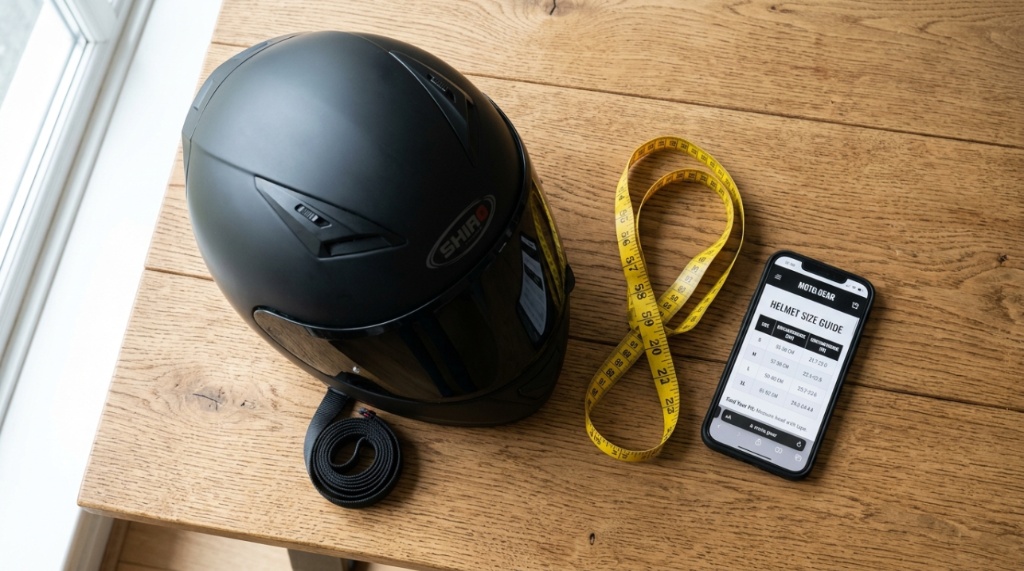
You finally decide to buy a new helmet. You open your laptop, excited to browse the endless options. But within minutes, you feel lost. Sizing charts look like algebra. Safety certifications are a jumble of letters. And every review seems contradictory. The fear of unwrapping the wrong shape, the wrong fit, or a dangerously inadequate shell is very real. When helmet buying online, you cannot try before you buy. This guide turns that uncertainty into confidence, giving you a repeatable system to pick the perfect helmet on your first try.
Why Is Buying a Helmet Online So Risky?
Buying a helmet online removes the most critical step: physically testing the fit. A helmet that looks perfect in photos can cause pressure points, wobble on your head, or fail to protect the correct zones of your skull. Without a brick-and-mortar store to swap sizes, many shoppers end up with a return or a dangerous misfit. The risk is high because a helmet is safety equipment first, accessory second. A bad fit compromises your protection in a crash.
The primary challenge is that head shapes vary dramatically. Some people have round oval heads, others have long oval shapes, and many fall somewhere in between. Brands design helmets for specific geometries. A Giro might fit a round head perfectly while a Bell suits a longer shape. Additionally, online listings often use misleading angles and lighting to make helmets appear sleek. You cannot assess true scale, padding density, or strap quality from a screen. Finally, different activities demand specific features. A skate helmet designed for multiple low-impact hits is structurally different from a road cycling helmet designed for one high-impact crash.
What Is the Most Important Factor When Choosing a Helmet Online?
Fit is the single most critical factor. A helmet with advanced safety technology offers zero protection if it shifts during impact or causes you to stop wearing it due to discomfort. Fit encompasses head shape, size, and adjustability. You must measure your head circumference accurately and understand your head shape to match it with a compatible brand and model.
How to Measure Your Head for a Helmet
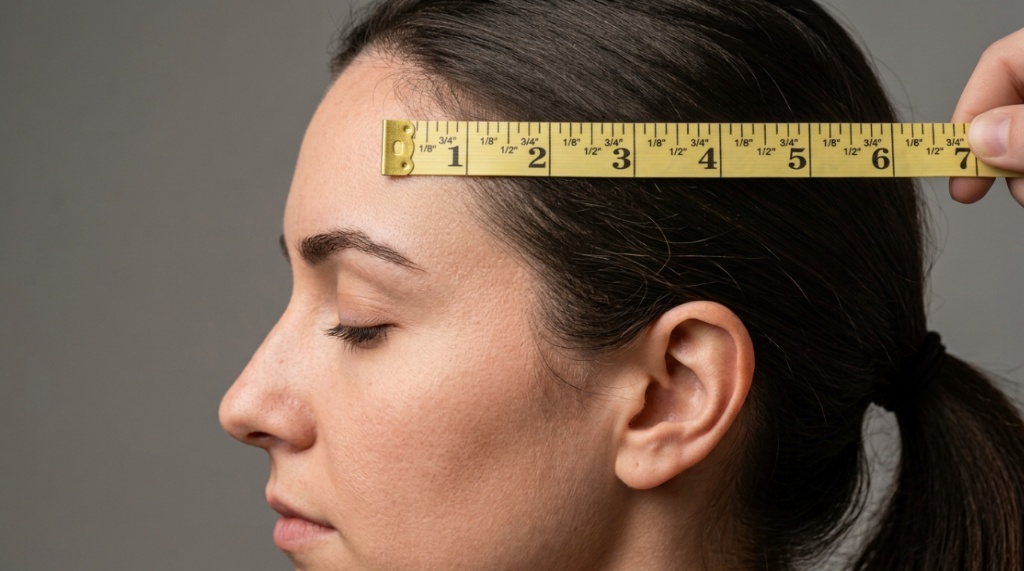
Use a flexible measuring tape. Wrap it around your head approximately one inch above your eyebrows, passing over the largest part of the back of your skull. This line should be level all around. Write down the measurement in centimeters. Compare this directly to the manufacturer’s size chart, not a universal chart. Many helmets now use an adjustable retention system (dial) that fine-tunes the fit. Look for helmets with this feature.
Understanding Head Shapes
- Round Oval: Head is roughly as wide as it is long. Asian brands and some American brands cater to this.
- Long Oval: Head is noticeably longer front-to-back than side-to-side. Many European brands fit this shape well.
- Intermediate Oval: Slightly longer than wide. Most generic helmets target this shape.
If you buy a long oval helmet for a round head, you will get painful pressure on the temples and a loose fit front-to-back. Read user reviews specifically mentioning “round fit” or “long fit” for your shortlisted models.
How Can You Verify Helmet Safety Certifications Online?
Look for certification logos on the product images and in the description. Legitimate online listings always display certifications like CPSC, EN 1078, ASTM F1492, or Snell. If you cannot find a clear photo of the certification sticker inside the helmet or a mention in the spec sheet, it is a major red flag. Counterfeit helmets often omit or fake these markings.
Each certification tests for different impacts and penetration resistance. CPSC is the mandatory standard for bicycle helmets in the US. ASTM F1492 is the standard for skateboarding helmets. A dual-certified helmet has passed both. Do not assume one certification covers all activities. A road bike helmet is unlikely to withstand multiple impacts during a skate session. Check the product page for a dedicated “Safety” section. Reputable brands like Bell, Giro, Thousand, and Nutcase always highlight their certifications prominently. If the listing only talks about style and comfort without mentioning testing standards, proceed with caution.
Which Helmet Type Do You Actually Need?
Your specific activity dictates the helmet type. Using a road bike helmet for skateboarding or a skate helmet for mountain biking compromises safety. There is no universal helmet. Each type has a unique shape, coverage area, and impact design.
| Activity | Helmet Type | Key Feature |
|---|---|---|
| Road Cycling | Road Helmet | Aerodynamic, many vents, single-impact EPS foam. |
| Mountain Biking | Trail/Enduro Helmet | Extended rear coverage, visor, often MIPS. |
| Skateboarding/Longboarding | Skate Helmet | Hard ABS shell, thicker liner, multi-impact design. |
| Commuting | Commuter Helmet | Modern look, integrated lights, lockable design. |
| Urban Scooter | Skate or Multi-Sport Helmet | Similar to skate helmet, often with more coverage. |
A hybrid “commuter” style helmet often provides the best balance for someone who rides both a bike and a scooter. For pure skateboarding, always choose a helmet with an ASTM F1492 rating. For road riding, prioritize weight and ventilation within the CPSC standard.
How Do You Check Helmet Size Without Trying It On?
You can simulate the fit check by measuring your head and comparing it to the helmet’s internal dimensions. Many online retailers now provide the internal circumference length and width. You can measure a helmet you already own that fits well and compare those numbers to the new helmet. Read reviews that mention “true to size” or “runs small.” Look for helmets with adjustable retention systems that allow fine-tuning, which mitigates small sizing errors.
Step-by-Step Virtual Fit Check
- Measure your head circumference in centimeters.
- Find the brand’s specific size chart; do not use a generic one.
- Check the helmet’s internal shape description if available (round, long oval).
- Search for reviews using phrases like “for round head” or “tight on temples.”
- Look for a return policy that specifically allows helmet returns.
A good retention system with vertical adjustment (for the strap Y-buckle) and a rear dial can compensate for up to one size difference. Avoid helmets that only come in S/M/L without detailed measurements.
Can You Trust Online Reviews for Helmets?
Yes, but you must filter them. Verified purchase reviews on major e-commerce sites are generally reliable for immediate impressions like comfort and sizing. However, a five-star review written after one day of use does not confirm long-term durability or safety. Focus on reviews that mention specific head shapes, real-world crash performance, or comparisons to other brands. Be wary of highly promotional reviews with no negatives.
Cross-reference reviews across platforms. A helmet with glowing reviews on a single obscure website but low ratings on Amazon or REI should raise suspicion. Look for detailed reviews from cyclists, skaters, or commuters who match your usage profile. A review from a competitive road cyclist about helmet ventilation is useful for a road rider but irrelevant for a skater. Also, check the return and exchange policy before ordering. The best online helmet stores offer free returns or exchanges for size issues.
When Should You Never Buy a Helmet Online?
Avoid buying a helmet online when you have an unusually shaped head that requires a custom fit or when you are buying for a very young child who cannot articulate discomfort. Additionally, never buy a used helmet online. You cannot know its crash history, and unseen structural damage from a fall or improper storage (heat, chemicals) can compromise safety. Finally, avoid any deal that seems too good to be true. Deeply discounted helmets from unknown sellers are often counterfeit or expired stock. EPS foam degrades over time, even if unused. Check the manufacturing date; helmets have a recommended lifespan of 3-5 years from the date of manufacture.
What Is MIPS and Should You Pay Extra for It Online?
MIPS (Multi-directional Impact Protection System) is a low-friction layer inside the helmet that allows the helmet to rotate slightly on impact, reducing rotational forces to the brain. You should absolutely prioritize MIPS for cycling, especially road and mountain biking, where rotational impacts are common. For skateboarding, MIPS is beneficial but less critical than a robust hard shell and thick EPS liner designed for multiple impacts. When helmet buying online, MIPS is a filter you can use to narrow your search. Most major brands now offer MIPS versions of their popular models at a $20-$40 premium.
Pros and Cons of MIPS
- Pro: Reduces rotational forces during angled impacts.
- Pro: Lightweight and does not affect fit.
- Con: Increases cost.
- Con: Adds slight complexity to the inner liner (though barely noticeable).
- Con: Not all sellers clearly label MIPS in product titles.
If your budget allows, choose a MIPS helmet. If you are on a strict budget, a well-fitting non-MIPS helmet from a reputable brand is still safe for casual use. The most dangerous helmet is the one you do not wear.
Is a More Expensive Helmet Always Safer?
No, price does not directly correlate with safety. All certified helmets must pass the same rigorous impact tests. A $50 CPSC-certified helmet provides the same baseline impact protection as a $300 model. The price difference comes from weight savings, ventilation, aerodynamics, materials like carbon fiber, and brand prestige. A lighter, more ventilated helmet is often more comfortable for long rides, which might lead you to wear it more often. However, a heavy, poorly ventilated helmet that you wear is safer than a light, expensive one left at home. Focus on fit, certification, and features over price tag.
Where you can save money is by buying previous year’s models. Helmet technology changes slowly. Last year’s color is often deeply discounted but offers identical safety performance. Check clearance sections on reputable sites like Competitive Cyclist, Jenson USA, or the brand’s own outlet. Make sure the helmet is not more than three years old from the manufacturing date.
How Do You Ensure the Helmet Will Last After Purchase?
Proper storage and care are essential. Never store a helmet in a hot car trunk or near a radiator. Heat can melt the EPS foam and degrade the adhesive holding the liner. Do not use harsh chemicals to clean the pads. Hand wash them with mild soap and water. After any significant impact, replace the helmet immediately. Even if there are no visible cracks, the internal foam structure can be compromised. Check the manufacturer’s website for crash replacement policies; many brands offer a discount on a replacement if you crash within the first year of ownership.
After a long, exhausting day of riding in a perfectly fitted helmet, there is nothing better than coming home to wash off the road grit. Transform your post-ride recovery routine by upgrading to these Bathroom Essentials for a Spa-Like Experience to completely unwind.
Frequently Asked Questions
What happens if I buy the wrong size helmet online?
Most reputable online retailers offer free returns or exchanges for size issues within 30 days. Always check the return policy before purchase. A helmet that is too tight or too loose must be exchanged; do not attempt to modify a poorly fitting helmet.
Can I wear a bicycle helmet for skateboarding?
Not ideally. Bicycle helmets are designed for a single high-impact crash, while skate helmets are built for multiple low-impact hits. A skate helmet also provides more rear and side head coverage. For skateboarding, always choose a helmet with ASTM F1492 certification.
How tight should a new helmet feel?
A new helmet should feel snug and comfortable, with no pressure points. It should not slide around on your head when you shake it. The cheek pads (for full-face helmets) should touch your cheeks without being painful. The retention system should be snug but not headache-inducing.
Do all online helmets come with a warranty?
Most major brands offer a 1- to 3-year warranty against manufacturing defects. Some premium brands offer a 5-year warranty. Always register your helmet on the manufacturer’s website after purchase to activate the warranty. Do not assume the seller’s page includes warranty information.
Is it safe to buy a helmet from Amazon or eBay?
Yes, but you assume higher risk of counterfeits, especially for popular brands. To minimize risk, choose sellers with high ratings and a clear return policy. Always verify the certification sticker upon arrival. Buying directly from the brand’s website or a known specialist retailer is safer.
What is the difference between a skate helmet and a bike helmet?
A skate helmet has a thicker, hard ABS outer shell and a multi-impact EPS liner. A bike helmet has a thin polycarbonate shell bonded to a single-impact EPS liner. Skate helmets are heavier and less ventilated but offer better protection for multiple impacts and more coverage.
Conclusion
Buying a helmet online does not have to be a gamble. By understanding your head shape, measuring accurately, verifying certifications, and reading reviews critically, you can make a safe and satisfying purchase. Do not prioritize style over substance. A helmet that fits perfectly, has the correct certification for your activity, and comes from a trusted manufacturer is the ultimate goal. Take your time to research. Use the sizing guidelines from this guide to build confidence. When you finally click “buy,” you can ride with peace of mind knowing your head is protected by a helmet that fits like it was made for you. Stop scrolling and start measuring—your perfect helmet is just a few clicks away.
