
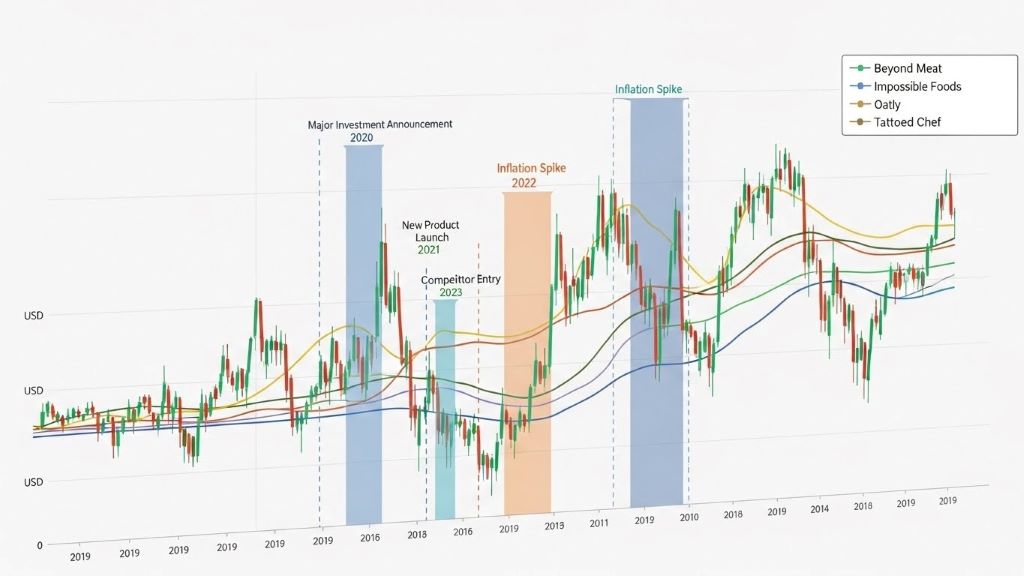
The plant-based meat industry has captured significant attention from investors worldwide. Companies producing fake meat have entered public markets with ambitious growth projections. However, investing in this sector carries distinct risks that warrant careful examination. Understanding these challenges helps investors make informed decisions about allocating capital to alternative protein stocks.
Understanding the Fake Meat Market
Fake meat refers to plant-based products designed to mimic traditional animal proteins. These alternatives use ingredients like pea protein, soy, and various additives to replicate meat’s taste and texture. The market has expanded rapidly over recent years, attracting major food corporations and venture capital funding.
Major players in this space include Beyond Meat, Impossible Foods, and established food giants developing their own lines. The industry promises environmental benefits and addresses concerns about animal welfare. Additionally, proponents argue these products can help feed a growing global population more sustainably.
Consumer adoption has been mixed, however. While some embrace these alternatives enthusiastically, others remain skeptical about taste, nutrition, and pricing. This divided reception creates uncertainty for companies betting heavily on mainstream acceptance.
Market Volatility and Stock Performance
Publicly traded fake meat companies have experienced extreme price swings. Beyond Meat, the most prominent example, saw its stock soar after its initial public offering before experiencing dramatic declines. Such volatility reflects investor uncertainty about the sector’s long-term viability.
Several factors contribute to this instability. Revenue growth has often disappointed analysts’ expectations. Furthermore, profitability remains elusive for most companies as they invest heavily in production capacity and marketing. Competition from both traditional meat producers and new entrants intensifies pressure on margins.
Market sentiment can shift rapidly based on quarterly earnings reports. A single disappointing sales figure can trigger significant selloffs. Therefore, investors must prepare for considerable price fluctuations when holding these stocks.
Production Cost Challenges
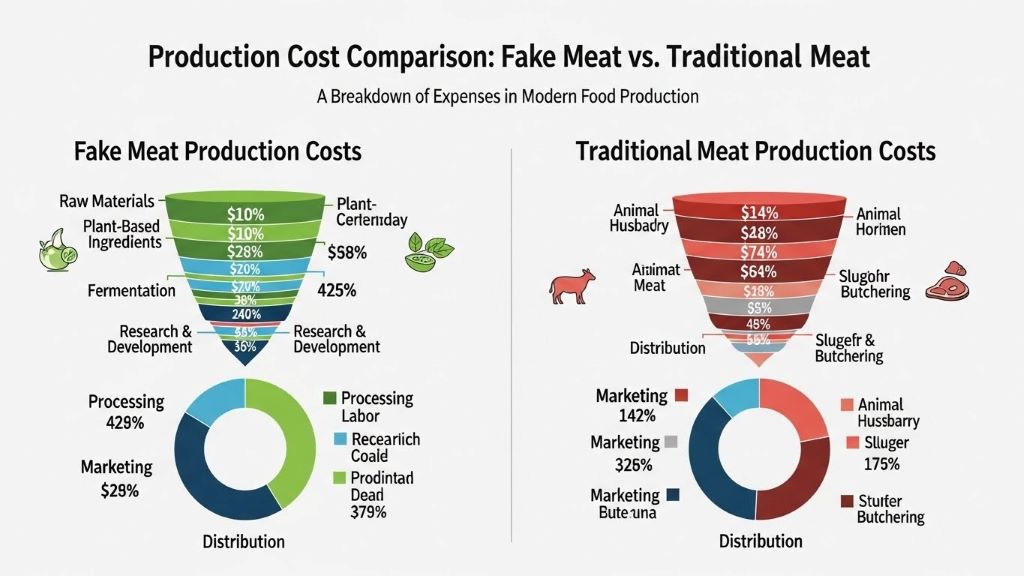
Manufacturing fake meat products involves complex processes and expensive ingredients. Companies face ongoing pressure to reduce costs while maintaining product quality. Achieving price parity with conventional meat proves difficult, limiting mass market appeal.
Raw material costs fluctuate based on agricultural commodity prices. Pea protein and other key ingredients can experience supply constraints. Additionally, specialized equipment and facilities require substantial capital investment. These factors make it challenging for companies to achieve economies of scale quickly.
Traditional meat producers benefit from decades of optimization and established supply chains. Fake meat companies must build infrastructure from scratch while competing against these entrenched advantages. This structural disadvantage poses persistent financial risks.
Consumer Acceptance Uncertainties
Long-term consumer demand remains the biggest question mark for fake meat investments. Initial enthusiasm from early adopters doesn’t guarantee mainstream adoption. Repeat purchase rates provide crucial insights into product-market fit, and data here shows mixed results.
Taste preferences vary widely among consumers. Many trials of plant-based meats don’t convert into regular purchases. Price sensitivity also plays a significant role, as fake meat typically costs more than conventional options. Economic downturns can quickly shift consumer priorities toward cheaper alternatives.
Cultural attitudes toward food change slowly. Convincing habitual meat eaters to switch permanently requires overcoming deep-seated preferences. Therefore, companies may face longer adoption timelines than initially projected, straining financial resources.
Regulatory and Health Considerations
Regulatory frameworks for fake meat continue evolving. Labeling requirements and health claims face scrutiny from various agencies. Changes in regulations could impact marketing strategies and production processes significantly.
Nutritional profiles of plant-based meats don’t always align with health-conscious consumer expectations. Some products contain high sodium levels and processed ingredients. Growing awareness of these issues could dampen enthusiasm among health-focused buyers.
Moreover, long-term health effects of consuming these products regularly remain understudied. Future research revealing unexpected concerns could dramatically alter public perception. Investors should monitor scientific developments and regulatory changes closely.
Competition from Traditional Meat Industry
Established meat producers haven’t stood idle while fake meat companies gain attention. Many have launched their own plant-based lines, leveraging existing distribution networks and brand recognition. This competition intensifies as major corporations view alternative proteins as strategic priorities.
Traditional companies possess significant advantages. They have existing relationships with retailers and foodservice operators. Additionally, they can cross-subsidize plant-based products with profits from conventional meat sales. This financial flexibility allows them to undercut newer competitors on pricing.
The competitive landscape continues shifting as alliances form and market positions evolve. Standalone fake meat companies face pressure from well-capitalized incumbents with diverse product portfolios. This dynamic creates additional investment risk.
Technological Disruption Risks
The alternative protein space extends beyond plant-based options. Cultivated meat grown from animal cells represents a potential disruptor to current fake meat technologies. As this approach advances, it could make plant-based alternatives less appealing to certain consumer segments.
Investment in cellular agriculture has accelerated recently. Companies developing lab-grown meat have attracted substantial funding. If production costs for cultivated meat decline sufficiently, it could capture market share from both traditional and plant-based producers.
Furthermore, continuous innovation in food science means today’s leading products could become obsolete. Companies must invest heavily in research and development to maintain competitive positions. This ongoing requirement strains financial resources and creates execution risks.
Global Economic Factors
Macroeconomic conditions significantly impact discretionary food purchases. During economic uncertainty, consumers typically prioritize affordable staples over premium alternatives. Fake meat products often fall into the latter category, making them vulnerable to economic downturns.
Supply chain disruptions can affect ingredient availability and costs. The COVID-19 pandemic demonstrated how global events can strain operations. Additionally, inflation pressures affect both production expenses and consumer purchasing power simultaneously.
Interest rate environments influence valuation multiples for growth stocks. Many fake meat companies trade at elevated price-to-sales ratios based on future growth expectations. Rising rates can compress these multiples sharply, leading to stock price declines independent of business fundamentals.
According to recent analysis from Bloomberg’s coverage of plant-based meat industry challenges, several companies have faced significant headwinds including declining sales and shifting consumer preferences.
Financial Health Assessment
Evaluating fake meat stocks requires careful analysis of company-specific financial metrics. Cash burn rates indicate how long companies can sustain operations without achieving profitability. Many alternative protein companies consume significant cash quarterly.
Debt levels and financing options deserve scrutiny. Companies relying heavily on debt face refinancing risks, especially in higher interest rate environments. Equity dilution through secondary offerings can hurt existing shareholders when companies raise capital.
Revenue concentration among key retail partners creates business risk. If major customers reduce shelf space for plant-based products, sales can decline precipitously. Therefore, diversification across channels and geographies provides some protection.
Research from CNBC’s reporting on Beyond Meat’s financial struggles highlights the financial pressures facing prominent companies in this sector, including wider losses and declining revenues.
Investment Strategy Considerations
Investors considering fake meat stocks should adopt appropriate position sizing. Given the sector’s volatility and uncertainties, limiting exposure helps manage portfolio risk. Diversification across multiple companies can reduce company-specific risks while maintaining sector exposure.
Long-term horizons suit this investment category better than short-term trading. The industry’s evolution will unfold over years, not quarters. However, investors must remain vigilant about fundamental deterioration that could signal structural problems.
Monitoring key performance indicators helps assess whether investments remain on track. Revenue growth, gross margins, customer acquisition costs, and repeat purchase rates provide valuable insights. Additionally, tracking competitive dynamics and technological developments informs ongoing investment decisions.
Conclusion
Investing in fake meat stocks presents substantial risks alongside potential rewards. Market volatility, production challenges, uncertain consumer acceptance, and intensifying competition create a complex risk landscape. Regulatory uncertainties and technological disruption add further complications. Economic factors can dramatically impact these growth-oriented companies.
Financial health varies considerably across companies in this space. Therefore, thorough due diligence remains essential before committing capital. The sector’s long-term prospects depend on achieving cost competitiveness and sustained consumer adoption. Until these fundamentals improve consistently, fake meat stocks will likely remain speculative investments suitable primarily for risk-tolerant portfolios with long time horizons.
Frequently Asked Questions
Why have fake meat stocks performed poorly recently?
Fake meat stocks have declined due to slower-than-expected sales growth, persistent losses, and investor concerns about long-term consumer demand. Companies have struggled to achieve profitability while facing increased competition from traditional meat producers entering the plant-based market.
Are fake meat companies profitable?
Most publicly traded fake meat companies remain unprofitable. They continue investing heavily in production capacity, marketing, and research while facing pricing pressure. Achieving sustainable profitability requires significant scale and cost reductions that haven’t materialized yet.
What is the biggest risk for fake meat investors?
Consumer acceptance represents the biggest risk. If plant-based meat fails to achieve mainstream adoption beyond early enthusiasts, companies will struggle to generate sufficient revenue to justify their valuations. Repeat purchase rates and market penetration beyond niche segments remain critical uncertainties.
How does fake meat compare to traditional meat financially?
Traditional meat producers generally operate with established profit margins and stable cash flows. Fake meat companies face higher production costs, require significant capital investment, and operate at losses while trying to scale. This financial disadvantage makes competition challenging.
Should I invest in fake meat stocks now?
Investment decisions depend on individual risk tolerance and portfolio objectives. Fake meat stocks remain highly speculative with significant downside risks. Investors should only allocate capital they can afford to lose and should thoroughly research specific companies before investing. Consider consulting with a financial advisor.
Related Topics:
Santiago Stock Exchange: Opening auction and closing auction
How to earn money in share market daily when an asset goes down?
