

Real estate flipping is one of the most talked-about paths to financial freedom. Many people are drawn to the idea of buying a property, improving it, and selling it for a profit. However, success in this field does not come overnight. It requires research, planning, and a clear understanding of the market. This article will walk you through everything you need to know to get started and grow a sustainable property business.
What Is Real Estate Flipping?
At its core, real estate flipping means buying a property at a low price, adding value to it, and then selling it at a higher price. The difference between the purchase cost and the selling price — after expenses — is your profit.
There are two main types of flipping. The first is renovation flipping, where you buy a distressed or outdated property and renovate it. The second is wholesale flipping, where you find undervalued deals and assign the contract to another buyer without doing any physical work on the property.
Both approaches can work well. However, the method you choose depends on your budget, skills, and risk tolerance.
Why People Choose to Flip Properties
Many investors choose flipping because it offers faster returns than traditional buy-and-hold investing. Instead of waiting years for rental income to add up, you can complete a flip in a few months and move on to the next deal.
Additionally, flipping gives you direct control over your profit. You decide how much to spend on renovations. You decide when to list the property. Therefore, your outcome depends heavily on the quality of your decisions.
That said, flipping is not without risk. Unexpected costs, slow markets, or poor property choices can turn a promising deal into a loss. This is why education and preparation matter so much.
How to Find the Right Property to Flip
Finding the right deal is the foundation of a successful flip. Not every cheap property is a good investment. You need to evaluate each one carefully before making an offer.
Here are the key factors to consider:
- Location: A property in a growing neighborhood will sell faster and at a higher price.
- Purchase price: You need enough room between the buying cost and the expected resale price to cover all expenses and still make a profit.
- Repair costs: Get a detailed estimate from a contractor before you commit to buying.
- Market demand: Research how quickly similar homes are selling in the area.
The 70% rule is a widely used guide in the industry. It suggests you should pay no more than 70% of a property’s after-repair value, minus the cost of repairs. This formula helps protect your profit margin from the start.
Building Your Budget and Understanding the Numbers
One of the biggest mistakes new investors make is underestimating costs. Therefore, building a detailed budget is essential before you buy any property.
Your total costs will include the purchase price, renovation expenses, holding costs such as property taxes, insurance, and loan interest, closing costs when you buy and when you sell, and agent commissions.
For example, if a home’s after-repair value is $250,000 and repairs will cost $40,000, the 70% rule suggests you should pay no more than $135,000 to buy it. This leaves room for all your costs and a reasonable profit.
Always add a contingency buffer of around 10 to 15 percent to your renovation budget. Surprises happen on every project. A buffer keeps you financially safe when they do.
Financing Your First Flip
You do not necessarily need large savings to flip your first property. There are several financing options available to new investors.
Hard money loans are short-term loans from private lenders. They are faster to obtain than traditional bank loans. However, they come with higher interest rates, so you need to complete the flip quickly.
Private money lenders are individuals, often friends or family, who lend you money in exchange for a set return. This can be a flexible and affordable option if you have the right connections.
Home equity loans allow you to borrow against the value of a property you already own. This is a lower-cost option but does carry risk to your existing asset.
Additionally, some investors partner with others who provide capital in exchange for a share of the profits. This is a great way to start when you have the skills but lack the funds.
Managing Renovations Effectively
The renovation phase is where many flips go over budget and over schedule. Good project management makes a huge difference here.
Start by hiring reliable contractors. Ask for references and check their previous work. Always get multiple quotes and use written contracts that outline the scope, timeline, and payment schedule.
Focus your renovation budget on improvements that add the most value. Kitchens and bathrooms are usually the best areas to invest in. Fresh paint, new flooring, and updated fixtures also tend to give strong returns.
Avoid over-improving the property. Spending too much on high-end finishes in a modest neighborhood will not increase the sale price proportionally. Match the quality of your renovation to the expectations of buyers in that market.
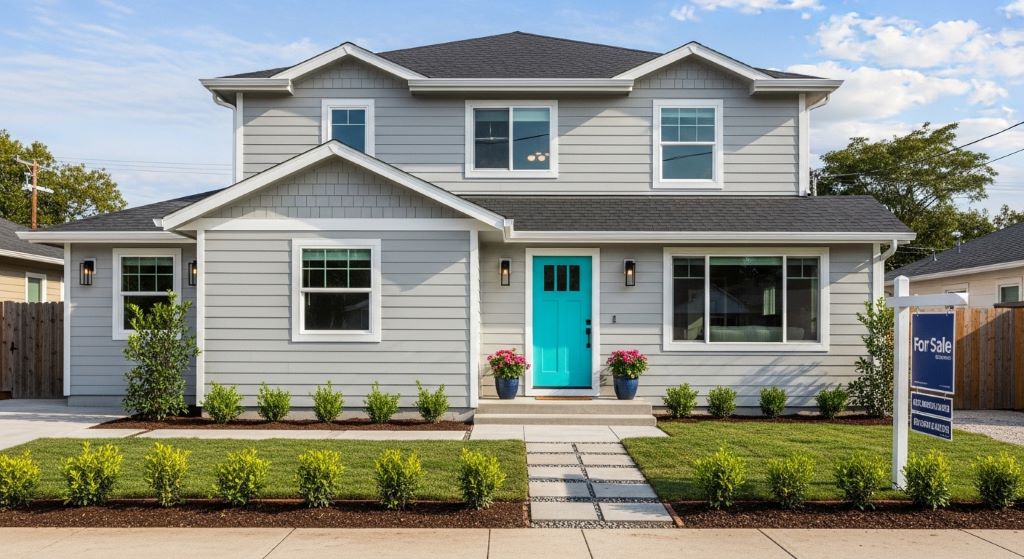
Selling the Property for Maximum Profit
Once your renovation is complete, your focus shifts to selling quickly and at the right price. The longer a property sits on the market, the more your holding costs eat into your profit.
Work with an experienced local real estate agent who understands your target market. Price the property competitively based on recent comparable sales in the area.
Professional photography and thoughtful staging can make a big difference in attracting buyers. First impressions matter, both online and during viewings.
Additionally, listing during peak buying seasons, typically spring and early summer, can help you attract more offers and achieve a better sale price.
Scaling Up to Build a Profitable Property Business
Once you have completed a few successful flips, you can begin thinking about scaling your operation. This means doing more deals per year and building systems that make the process more efficient.
Start by building a reliable team. This includes a trusted contractor, a real estate agent, a property attorney, an accountant, and a lender. A strong team saves you time and reduces costly errors.
Reinvesting your profits is also key to growth. Rather than spending everything you earn, use your gains to fund your next deal or to build a reserve fund for unexpected costs.
Over time, you may also consider diversifying into other property strategies, such as buy-and-hold rentals, to create a more balanced and stable business.
Conclusion
Real estate flipping offers a genuine path to building wealth, but it requires more than enthusiasm. You need a solid understanding of the market, a realistic budget, and strong project management skills. Start small, learn from every deal, and build your team carefully. Additionally, always run the numbers honestly before committing to any purchase. With patience and discipline, flipping properties can grow into a rewarding and profitable business.
Frequently Asked Questions
How much money do I need to start flipping properties?
The amount varies depending on your market and financing approach. Some investors start with as little as $10,000 using partnerships or creative financing. However, having $30,000 to $50,000 available gives you more flexibility and security.
How long does a typical property flip take?
Most flips take between three and six months from purchase to sale. This depends on the size of the renovation and the speed of the local market.
Do I need a real estate license to flip properties?
No, you do not need a license to flip properties you own. However, having a license or working closely with a licensed agent can give you access to better deals and market data.
What is the biggest risk in real estate flipping?
The biggest risk is underestimating renovation costs or overestimating the resale value. Both mistakes can eliminate your profit or result in a financial loss.
Can I flip properties while working a full-time job?
Yes, many people start flipping properties as a side business. However, you will need a dependable team to manage the day-to-day work while you are unavailable.
Related Topics:
Light Pollution Reduction Real Estate Strategies: The Untapped Goldmine for Sustainable Development
