
Selling a business is one of the biggest financial decisions you will ever make. Today, more owners are turning to digital marketplaces to find buyers. These platforms make the process faster and far more accessible. However, selling online also comes with real risks. Therefore, knowing how to navigate these platforms safely is essential.
This guide walks you through every key step. You will learn how to prepare your business, choose the right platform, protect your data, and close a deal with confidence.
Why Selling a Business Online Makes Sense
The internet has transformed how businesses change hands. In the past, sellers relied on brokers, word of mouth, or local newspaper ads. Now, digital marketplaces connect you with thousands of qualified buyers around the world.
Additionally, online platforms offer tools that simplify the entire process. You can list your business, communicate with buyers, share documents securely, and even sign contracts — all in one place. This level of convenience was unthinkable just two decades ago.
Furthermore, selling online gives you more control. You set the listing price, manage inquiries, and decide who sees your financial records. That said, more control also means more responsibility. Therefore, preparation is everything.
Getting Your Business Ready to Sell
Before you create a single listing, you need to prepare your business properly. Buyers on digital marketplaces are often sophisticated. They will ask tough questions. So, your answers need to be ready.
Organise Your Financial Records
Start with your financials. Buyers want at least three years of profit and loss statements, tax returns, and balance sheets. Clean, organised records build trust. They also speed up due diligence later in the process.
If your books are messy, consider hiring an accountant first. A small investment in clean records can add significant value to your sale price. Additionally, buyers are far less likely to walk away when the numbers are clear and consistent.
Know Your Business Valuation
You need to know what your business is worth before you list it. There are several common methods. The most popular for small businesses is a multiple of Seller’s Discretionary Earnings (SDE). This figure shows how much money the business generates for its owner each year.
However, valuation is part art and part science. Industry type, growth trends, customer concentration, and recurring revenue all affect the number. Therefore, consider getting a professional valuation or at least using the free tools that many marketplace platforms provide.
Prepare a Confidential Information Memorandum
A Confidential Information Memorandum (CIM) is a document that describes your business in detail. It covers your history, products or services, financials, operations, and growth potential. Think of it as a business plan for the buyer.
You do not share this document with everyone. Instead, you release it only after a potential buyer signs a Non-Disclosure Agreement (NDA). This step protects sensitive data while still giving serious buyers what they need.
Choosing the Right Digital Marketplace
Not all platforms are the same. Some focus on small businesses. Others cater to larger mid-market deals. Choosing the right one matters a great deal.
Popular Platforms to Consider
Several well-known platforms dominate this space. BizBuySell is one of the largest and most established in the United States. It attracts millions of buyers and works well for businesses priced under a few million dollars. Flippa is another strong option, particularly for online businesses, apps, and content websites. Empire Flippers focuses on profitable online businesses and provides a thorough vetting process for both buyers and sellers.
For larger businesses, platforms like Axial or even dedicated M&A advisors with digital tools may be more appropriate. Additionally, some industry-specific platforms exist for sectors like restaurants, healthcare practices, or SaaS companies.
What to Look for in a Platform
When evaluating a marketplace, ask several key questions. First, how does the platform verify buyers? Unvetted buyers waste your time and create security risks. Second, what privacy tools does it offer? You should be able to control who sees your listing details. Third, what are the fees? Some platforms charge a flat listing fee, while others take a percentage at closing.
Furthermore, look at the level of support available. A good platform will offer guidance, templates, and even broker connections if you need them.
Protecting Your Confidential Information
Privacy is one of the biggest concerns when selling a business online. Your competitors, employees, and customers must not find out prematurely. A premature leak can damage relationships, reduce staff morale, and hurt your sale price.
Use NDAs Before Sharing Details
Always require a signed NDA before sharing any financial data or sensitive business information. Most digital marketplaces include NDA tools built directly into their platform. Use them without exception.
An NDA does not guarantee confidentiality, but it creates a legal record. If a buyer misuses your information, you have recourse. Additionally, requiring an NDA filters out casual browsers. Only serious buyers will take the time to sign one.
Control What You Reveal in Your Listing
Your public listing should be compelling but vague enough to protect you. Include the industry, general location, revenue range, and key selling points. However, do not name your business, reveal your exact address, or post identifiable photos in the public-facing listing.
Think of your listing as a teaser. Its job is to generate interest. The details come later, after the NDA is signed.
Be Careful During Calls and Meetings
Once buyers start engaging, be thoughtful about what you share verbally. Stick to information relevant to the sale. Do not discuss employee names, client identities, or proprietary processes unless absolutely necessary and legally protected.
Screening Potential Buyers
Not every inquiry is genuine. Some buyers are competitors conducting market research. Others are unprepared individuals who cannot actually complete a purchase. Screening buyers early saves you enormous time and stress.
Ask for a Buyer Profile
Reputable buyers will have no problem completing a buyer profile. This typically includes their background, financial capacity, and acquisition goals. Most platforms provide standardised forms for this purpose.
Additionally, ask about their funding source. Is the buyer paying cash? Are they seeking an SBA loan? Are they backed by investors? Knowing this upfront helps you assess how quickly a deal can close.
Look for Industry Experience
A buyer with relevant experience is more likely to get financing, complete due diligence efficiently, and run the business successfully after closing. Therefore, when evaluating multiple buyers, experience in your industry is a real advantage.
However, do not dismiss buyers from outside your industry entirely. Sometimes fresh perspectives and financial strength outweigh direct experience. Evaluate each buyer on the full picture.
Navigating the Due Diligence Process
Once a buyer is serious, they will conduct due diligence. This is their formal review of everything about your business. It is thorough, sometimes uncomfortable, and absolutely necessary.
Create a Virtual Data Room
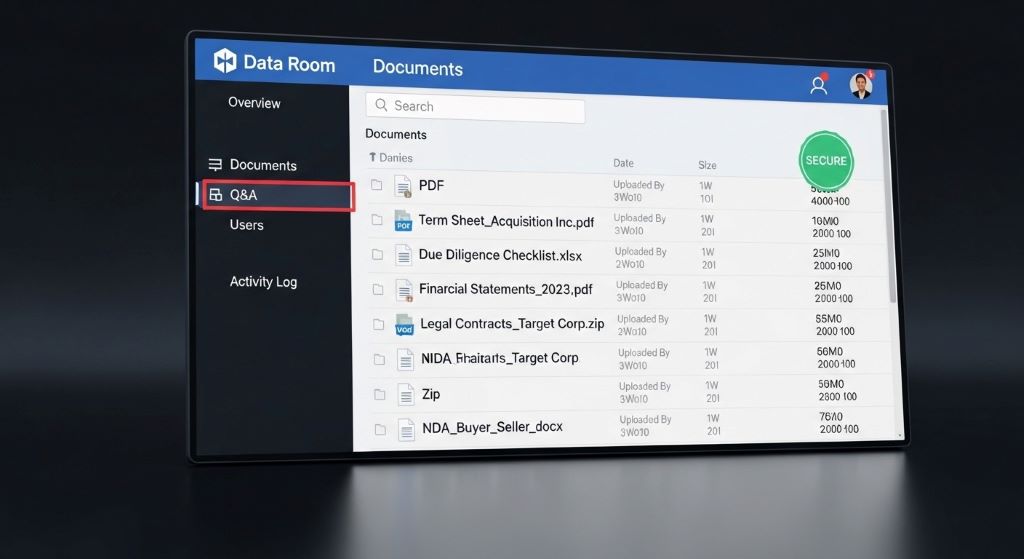
A virtual data room (VDR) is a secure online folder where you store all key documents. These include leases, contracts, employee agreements, supplier agreements, intellectual property records, and financial statements. Buyers access the VDR with controlled permissions.
Using a VDR keeps everything organised and secure. Many digital marketplace platforms offer integrated VDR tools. Alternatively, services like Dropbox Business or Docsend work well.
Stay Organised and Responsive
Due diligence moves quickly when both sides stay organised. Respond to buyer questions promptly. Provide requested documents without delay. Slow responses raise red flags and give buyers an excuse to negotiate harder or walk away.
Furthermore, be honest. If there are weaknesses in your business, address them proactively. Buyers will almost always find issues. It is far better to disclose them yourself than to have them discovered during the review.
Closing the Deal Safely
The final stage of selling your business involves legal agreements, fund transfers, and transition planning. Each of these steps carries risk if not handled carefully.
Use a Professional to Draft the Purchase Agreement
The purchase agreement is the most important document in the entire process. It defines what is being sold, at what price, on what terms, and with what warranties. Do not rely on a template from the internet.
Hire a business attorney who specialises in mergers and acquisitions. Their fee is a small fraction of the deal value and can save you from costly mistakes. Additionally, your accountant should review the tax implications of the sale structure before you sign anything.
Choose a Safe Method for Transferring Funds
Never accept a personal cheque or wire transfer from an unknown party without verification. Use an escrow service for large transactions. Escrow holds the funds securely until all conditions of the sale are met, protecting both buyer and seller.
Many marketplaces either offer their own escrow tools or partner with trusted third-party escrow services. Use them. The small fee is absolutely worth it.
Plan for a Smooth Transition
Most buyers will ask for a transition period. This is a stretch of time, usually 30 to 90 days, where you help the new owner learn the business. A smooth transition protects your reputation and often satisfies legal obligations in your purchase agreement.
Be prepared to train the buyer, introduce key contacts, and document processes. A well-managed transition also reduces the risk of post-sale disputes.
Conclusion
Selling a business online using digital marketplaces is entirely achievable when you approach it with care. Start by getting your financials in order and understanding your valuation. Next, choose a platform that matches the size and type of your business. Always protect confidential data with NDAs and controlled listings. Screen buyers thoroughly and conduct due diligence using a secure virtual data room. Finally, close the deal with the help of legal and financial professionals, and use escrow to protect the transfer of funds.
The digital tools available today make this process more efficient than ever. However, they do not replace the need for preparation, caution, and expert guidance. By following each of these steps, you give yourself the best possible chance of a safe and successful sale.
Frequently Asked Questions
What is the safest digital marketplace to sell a business on?
BizBuySell, Empire Flippers, and Flippa are among the most reputable platforms. The safest option depends on your business type and size. Look for platforms with buyer verification, built-in NDA tools, and secure data-sharing features.
How do I keep my business sale confidential?
Keep your public listing vague and avoid naming your business. Always require a signed NDA before sharing financial details. Use a virtual data room with controlled access for sensitive documents.
How long does it take to sell a business online?
The timeline varies widely. Small online businesses can sell in a matter of weeks. Larger businesses with complex operations may take six to twelve months. Being well-prepared with clean records and prompt communication speeds up the process significantly.
Do I need a broker to sell my business online?
Not necessarily. Digital marketplaces are designed for self-service sellers. However, a broker can add significant value for larger businesses or complex deals. Many brokers now operate through or alongside digital platforms.
How do I know if a buyer is serious and financially qualified?
Ask for a completed buyer profile, proof of funds, and information about their acquisition experience. Serious buyers will provide this without hesitation. Requiring an NDA also filters out casual inquirers early in the process.
Related Topics:
How to Measure Business Unit Strategy Effectiveness Beyond Market Share
What Is Income Tax Filing and Why Do Most People Make Costly Errors?
